

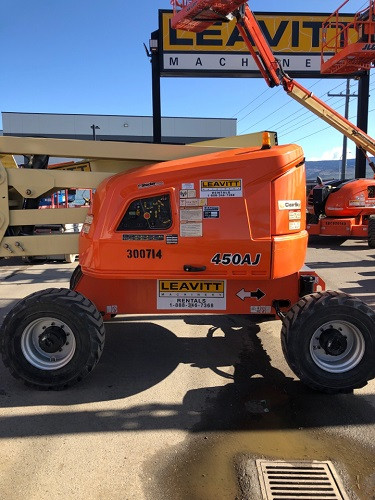


Forklift Battery Dangers
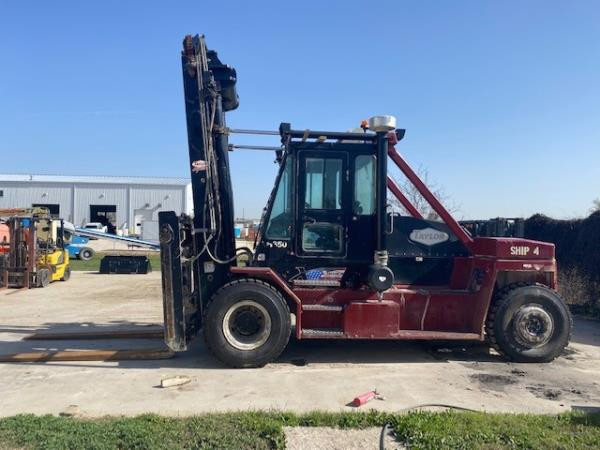
Electric forklifts are the best choice by a lot of warehouses or supply outlets that need to move equipment and heavy products into and out off storage. These battery-powered machines could quietly run on big batteries and can lift heavy loads. Usually, warehouse personnel are responsible for swapping out the batteries or recharging them during a shift. Though these batteries have been developed and designed with safety as the main concern, there are still several issues a user should know and things to be avoided when in the vicinity of the batteries.
Weight
Several forklift batteries can weigh as much as 2000 lbs. or 1 ton, depending upon the type. These extreme weights factors would need mechanical assistance to safely charge and change the battery. Approximately 50 percent of all injuries related to forklift batteries result from improper lifting and moving these heavy pieces of machinery. At times jacks, specialized carts, or even other forklifts are used in order to transport and move heavy batteries. The overall success of using these pieces of machine will really depend upon how safely the handler affixes the battery to the cart. Unfortunately, severe injuries could occur because of falling batteries.
The industry has strict protocols which describe when and how the lift truck battery will be charged. Nearly all companies have extensive rules and regulations describing the safest way to remove the lift truck battery in an efficient and safe manner.
Corrosives
It is vital to realize that lift truck batteries are filled with corrosive liquids which require proper safety precautions followed in order to handle them. Two of the most common kinds of lift truck batteries include potassium hydroxide and sulfuric acid. These are both extremely corrosive materials that could cause chemical burns to the hands, skin, eyes and face.